What's Next In Home Detox Alcohol


Home Detox Alcohol
Home detox alcohol is an option for individuals who wish to stop drinking, but are unable to undergo treatment at a medical facility. During this process, it is essential to have a support network to assist with the withdrawal symptoms.
To avoid temptation, you should restrict or even eliminate your consumption of alcohol. Additionally, you should be eating a balanced diet and get plenty of rest.
Doing medications
Many people can stop drinking without visiting a medical clinic. However, it is very important that you speak with a doctor before attempting to detox at home. A detox specialist will be able to determine if alcohol withdrawal symptoms are not so severe that you can stop drinking at home. In some cases the detox specialist may decide that you need to take medication to help ease your withdrawal symptoms and make the process more secure.
A popular detox medication that is used to treat alcohol dependence is benzodiazepoxide more commonly referred to under the brand name Librium. mens alcohol detox is a short-acting benzodiazepine that can be taken orally and is very effective in decreasing withdrawal symptoms that are related to alcohol dependence. It can also be used to treat a variety of other ailments, including anxiety and depression.
Antipsychotic drugs can also be used to aid in the treatment of alcohol dependence. These are drugs that are commonly used to treat schizophrenia, dementia and bipolar disorder. However, they could be beneficial to those in a home detox setting for alcohol since they can assist in controlling psychotic symptoms such as hallucinations paranoia, and hearing voices. These include olanzapine and Seroquel.
In addition to taking detox medications it is also important to eat a balanced diet and take plenty of rest during the detox process. Stressors can also trigger a relapse, so it is important to avoid them. Family or friends who regularly check in on your health and contact medical professionals if they see any indications can be beneficial during the process of detox. It is also important to find a way of managing your stress. For instance you could meditate or take a walk.
Reduce Your Alcohol Consumption
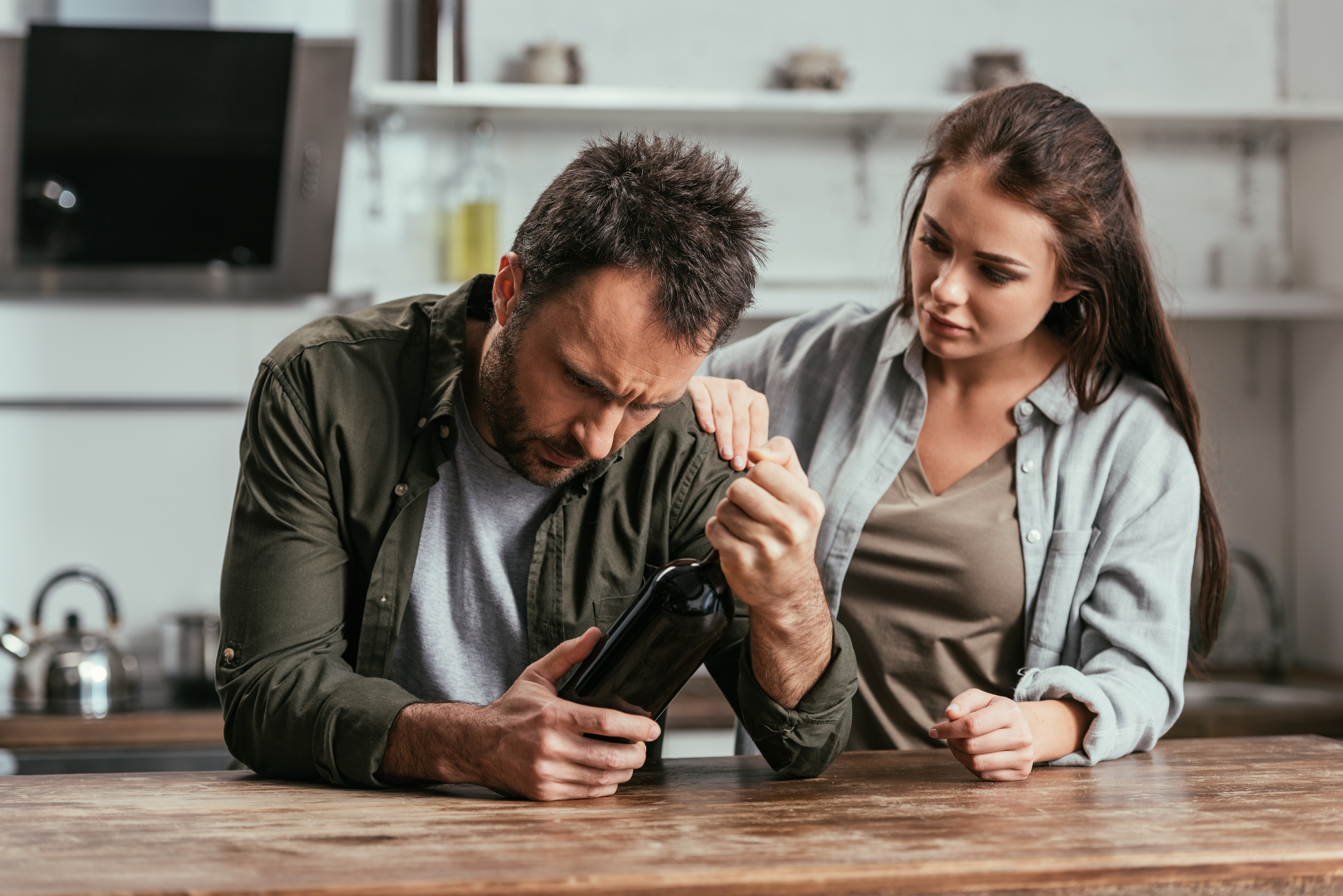
You should also think about the negative impact of your drinking habits on your work and daily life. You should also consider if you show any signs of alcoholism like losing control when drinking and causing trouble to the police.
A lot of people can detox from alcohol at home, particularly if the problem is mild. However, symptoms alcohol detox may require detox in a supervised medical setting. This is especially true when the person has an alcohol withdrawal history, seizures, delirium or any other health issue that could be aggravated or impacted by withdrawal from alcohol.
For those who are attempting the home detox there are some things they can do to ensure the process is as successful as possible. For instance, it's helpful to organize your schedule and to find a family member or friend who will monitor your progress throughout the detox and ensure that you don't have access to alcohol. This will help to prevent any relapses and also give you someone to contact for emergency medical assistance if needed.
The tapering process involves reducing alcohol consumption over time, with the aim of stopping completely drinking. It can be difficult to do this at home. You should seek professional assistance when you are deciding how to stop drinking alcohol.
The professionals can prescribe specific medication to help you manage withdrawal symptoms from alcohol. This is not an option for people who detox at home. They will also provide you with suggestions and tips on how to reduce your drinking habits over time, and strategies to aid you in your efforts to stop drinking altogether.
Keeping Yourself Busy
It is important to keep your mind busy during alcohol detox. The more time you're spending thinking about drinking, the more likely you'll to slip back into old patterns and relapse.
But, you must avoid overburdening yourself with projects or activities that cause stress and anxiety. The more stressed you are, the more likely you will be to take drugs or drink.
One way to keep yourself active while detoxing is to find activities you can do on your own. You might opt to read a novel or take an online course. These types of activities can also be great for relaxing and calming yourself.
You should also be sure to have an emergency medical plan in place if you decide to detox at home. This will let you receive medical attention in the event of a dangerous withdrawal symptoms. It is important to have a family or friend member who is there to support you during your detox. mens alcohol detox can assist you to keep your motivation up.
The risk of suffering from severe withdrawal symptoms is one of the biggest risks of detoxing at home. These symptoms can include nausea, diarrhea, and abdominal pain. In some cases they can be life-threatening. The delirium-tremens disorder is among the most dangerous withdrawal syndromes. It can trigger uncontrollable seizures which can lead to death or a coma.
For these reasons, detoxing at home is generally not recommended for people suffering from serious alcohol addictions. A better option is to enroll in a detox program in an alcohol rehabilitation center, such as Nexstep Medical Detox. The professionals at the center can prescribe medication to help with withdrawal and make it safer.
Not having alcohol detox and rehab to Alcohol
A home detox is an option for people with mild alcohol addiction, however it is not recommended if you suffer from severe withdrawal symptoms. The withdrawal symptoms of alcohol are risky and can include hallucinations, seizures, agitation, and shakings. Having these symptoms increases the risk of injury and death. Those with severe symptoms should seek medical treatment.
If you're planning to do an alcohol detox at home, it is essential to ensure that you have limited or no access to alcohol. This means that you shouldn't keep any alcohol in your house, and you should stay away from places where alcohol is served. This will stop you from accidentally drinking during your detox. It is also important to keep a schedule and avoid spending time around people who may be tempted to drink.
In addition you should do some mindfulness and meditation, as these methods have been proven to decrease cravings for alcohol. You should also be sure to eat a balanced and healthy diet and to get enough sleep. Also, consume plenty of water and drinks that contain electrolytes. Dehydration is a common complication of detoxification from alcohol.
In addition to the suggestions listed above, you should also have a system of support to help you through your detox at home. It is important to have someone who can provide emotional support and encouragement in times of struggle with cravings. You should also have a plan for what you should do if experience any complications during your detox. The DrugInfo hotline offers reliable information about alcohol and other substances.
Need Help
If you're unsure if you're able to successfully detox from alcohol at home or is it better to attend an approved medical alcohol withdrawal treatment center, seek professional help. Many people struggling with addiction or alcoholism are reluctant to ask for assistance, instead opting to conduct an unsupervised detox at home. This can be uncomfortable and even risky.
One of the most important things you can do when trying to stop drinking is to ask for support from your family and friends. They can assist in keeping you accountable and stay away from enabling situations that may arise during your detox, and they are also able to support you through the tough times. Create a schedule of visits with them to ensure you're never left alone during your detox.
During your detox, it is important to stay busy. This will not only to keep you from cravings for alcohol, but it can help make withdrawal symptoms easier to deal with. Some great ideas for staying engaged include reading, exercising or spending time with your family and friends or pursuing a new hobby.
Another method to prevent the possibility of relapse is to think about the pain that might result if you drink more. When people are struggling with addiction to alcohol typically, they only consider the temporary relief that comes from a drink. They do not recognize that relapse can be much more serious in the long run than the pain and discomfort that detox can cause.
If you're serious about getting sober, it's crucial to keep up your recovery after completing the detox process. You should also seek professional assistance in order to learn how to avoid relapses. A reputable alcohol treatment facility can offer prescription drugs and evidence-based treatments like cognitive-behavioral or dialectical therapy to help you manage your drinking.